
ECOMARINAS study visit in Charzykowy and Biała Góra: every drop flows to the sea
From Lake Charzykowskie to the hydrotechnical node of Biała Góra, the latest ECOMARINAS study visit showed that protecting the Baltic begins far inland - in sailing clubs, marinas, hotels, workshops and river infrastructure.
On 6–7 May 2026, partners of the Interreg South Baltic project ECOMARINAS met in Charzykowy and Biała Góra for the sixth study visit in the series. The programme combined a visit to Charzykowy Marina, a presentation on sustainable hospitality solutions at Notera Hotel, a lecture by Prof. Jan Marcin Węsławski from the Institute of Oceanology of the Polish Academy of Sciences, a communication session led by MARE Foundation, and a workshop led by a representative of EUCC-D, before moving on the second day to Marina Biała Góra and the historic lock complex. In keeping with the wider ECOMARINAS logic, the visit was not only about marina infrastructure, but about tracing how inland decisions shape the condition of the Baltic Sea. And the route was not accidental. The Baltic does not start at the beach, but far away at the mountain springs and flows through the whole catchment area.
This inland perspective matters for the sea
Almost the whole territory of Poland (99,7%) lies in the catchment area of the Baltic Sea. This means that water from almost every Polish town, field, forest, road, marina (be it inland or at sea) and riverbank eventually reaches the sea. The whole catchment are of the Baltic Sea stretches over fourteen countries and its territory is home to around 85 million people. Pressures are not distributed evenly: some areas carry dense populations, other intensive agriculture, tourism, industry or transport corridors. But in the end the sea receives the sum of all of them.
This is why as part of ECOMARINAS project we also visited inland marinas – cleaner coastal waters also depnd on decisions made upstream. A pump-out station on a lake, a hotel’s water policy, a lock fascility on a river, or even a workshop with local stakeholders are all a part of a holistic approach towards Baltic Sea conservations.
Lake Charzykowskie: harbour, school, community and the sailing tradition in Kaszëbë
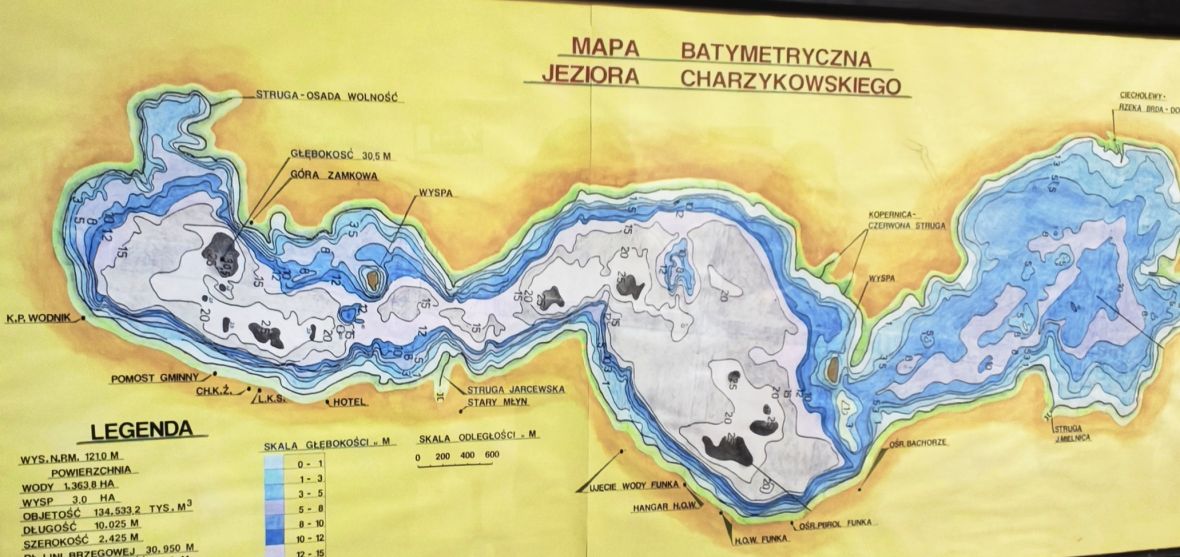
Lake Charzykowskie and the landscapes around Charzykowy belong to a wider ecological system linked to the Brda water trails and the protected areas of Bory Tucholskie. UNESCO describes the Tuchola Forest Biosphere Reserve as one of the biggest forest complexes in north-western Poland, containing pine and deciduous forests, heathlands, Lobelia lakes, dystrophic lakes and peat bogs, while local tourism materials point to the way water routes from Charzykowy connect with the Brda system and the broader lake-and-river landscape.
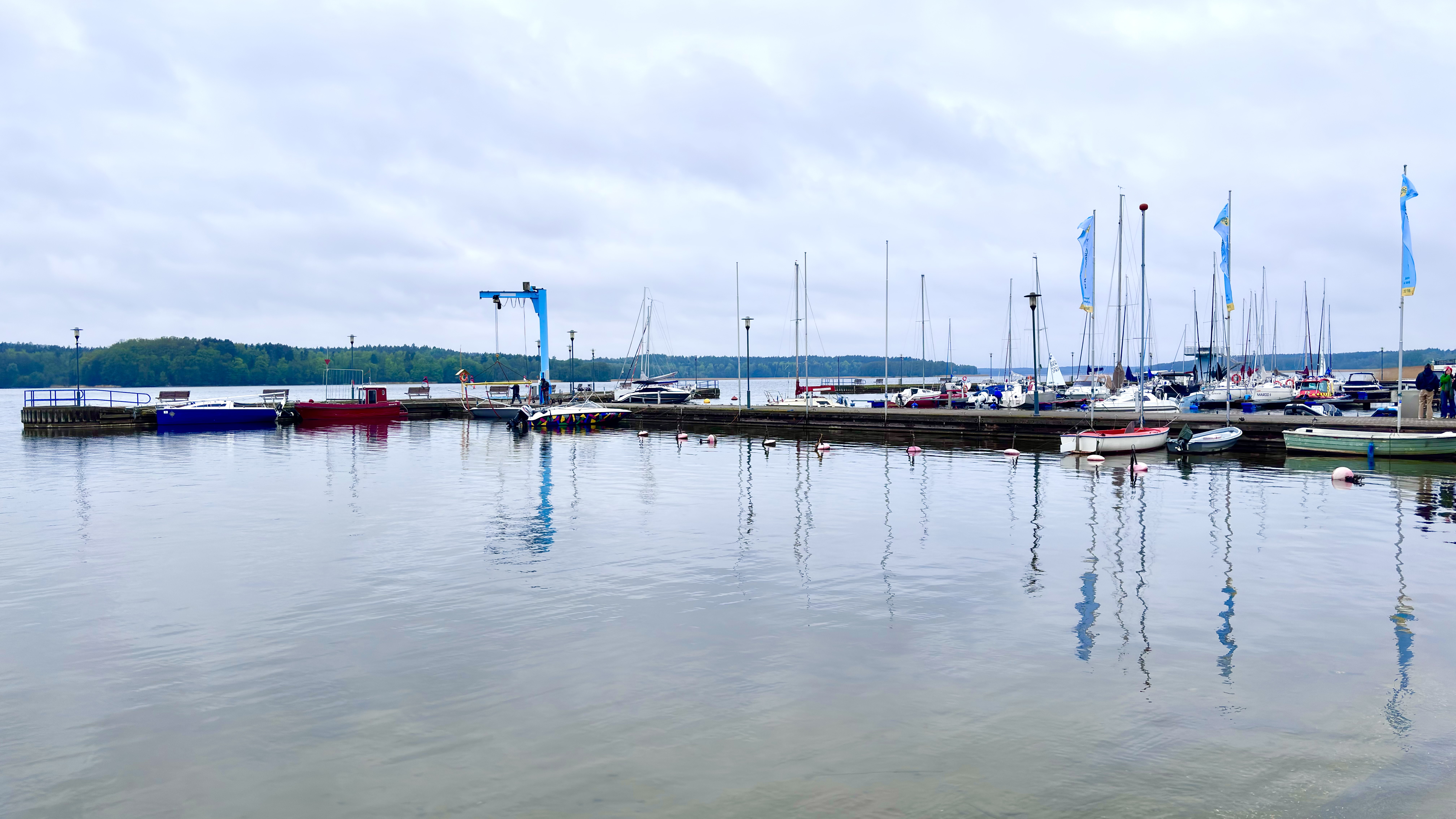
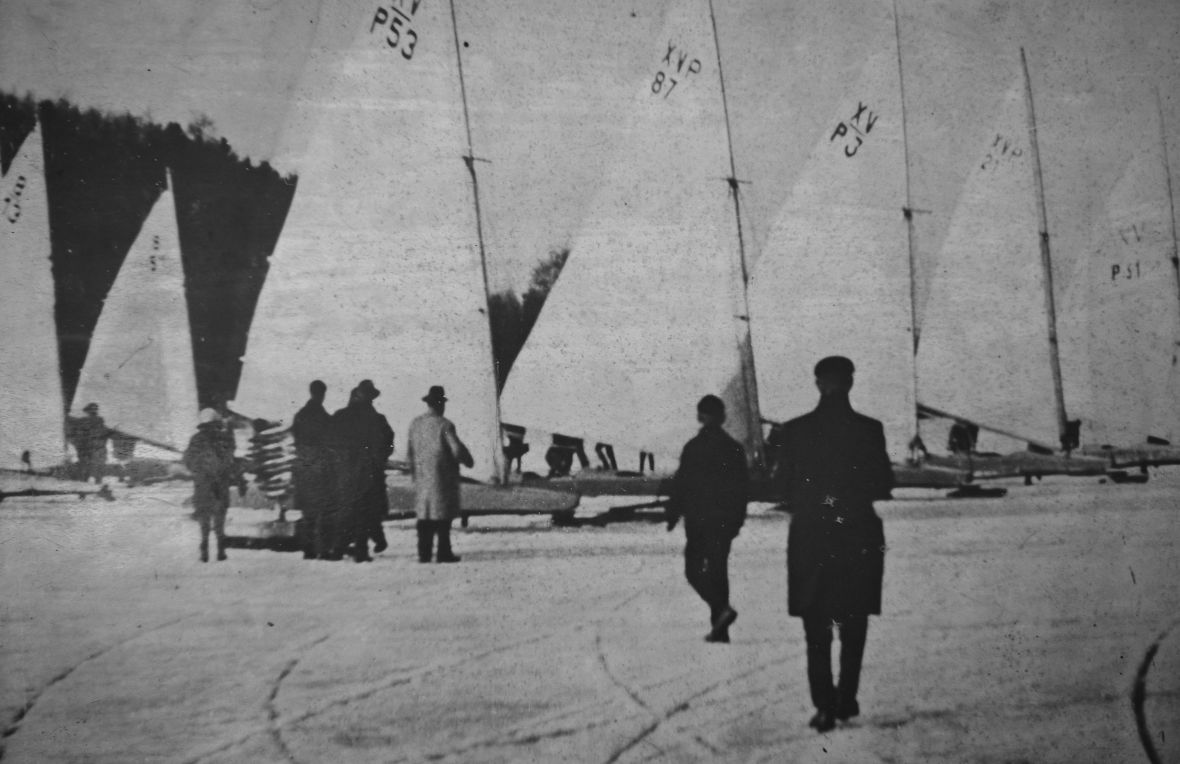
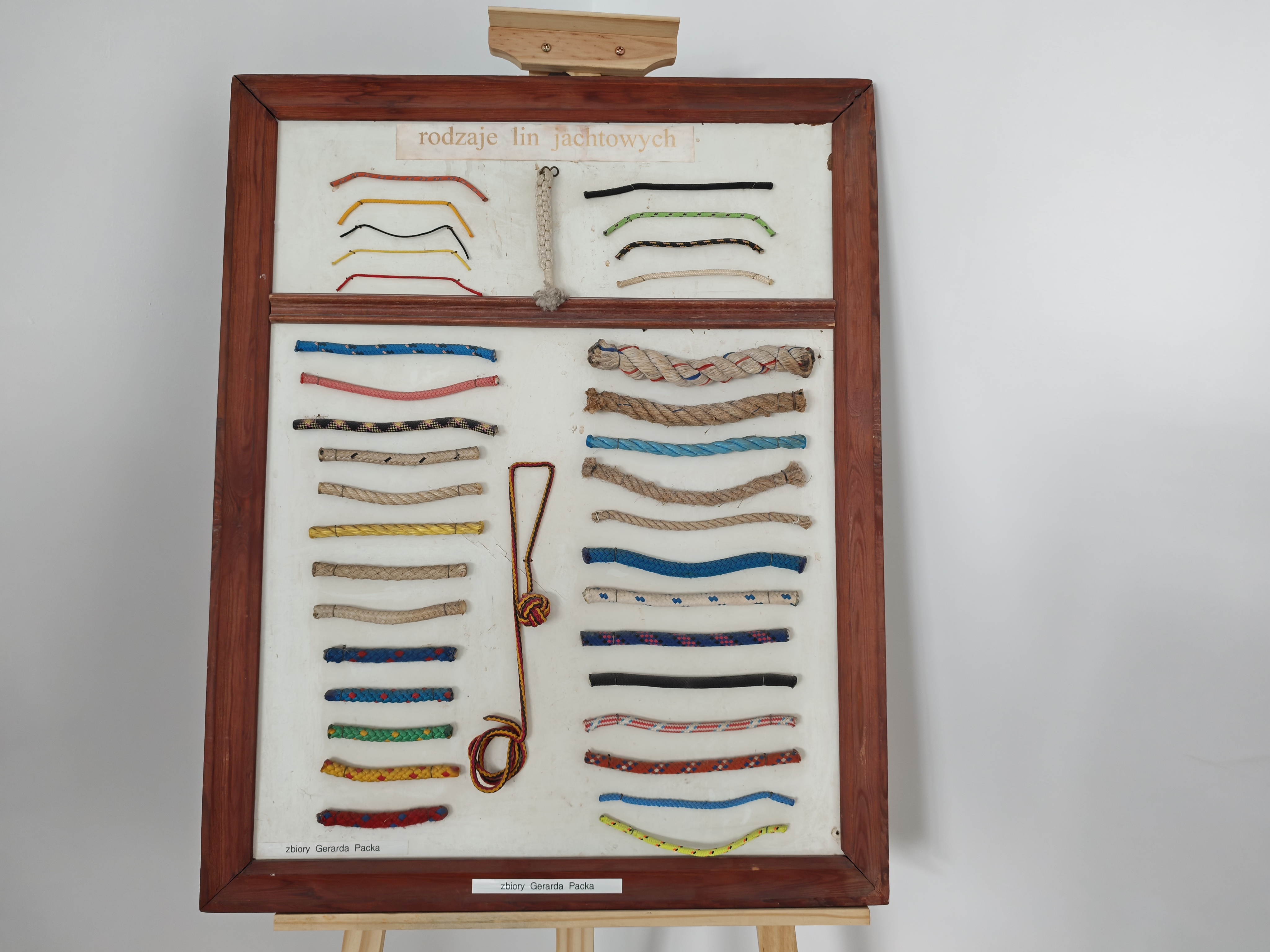
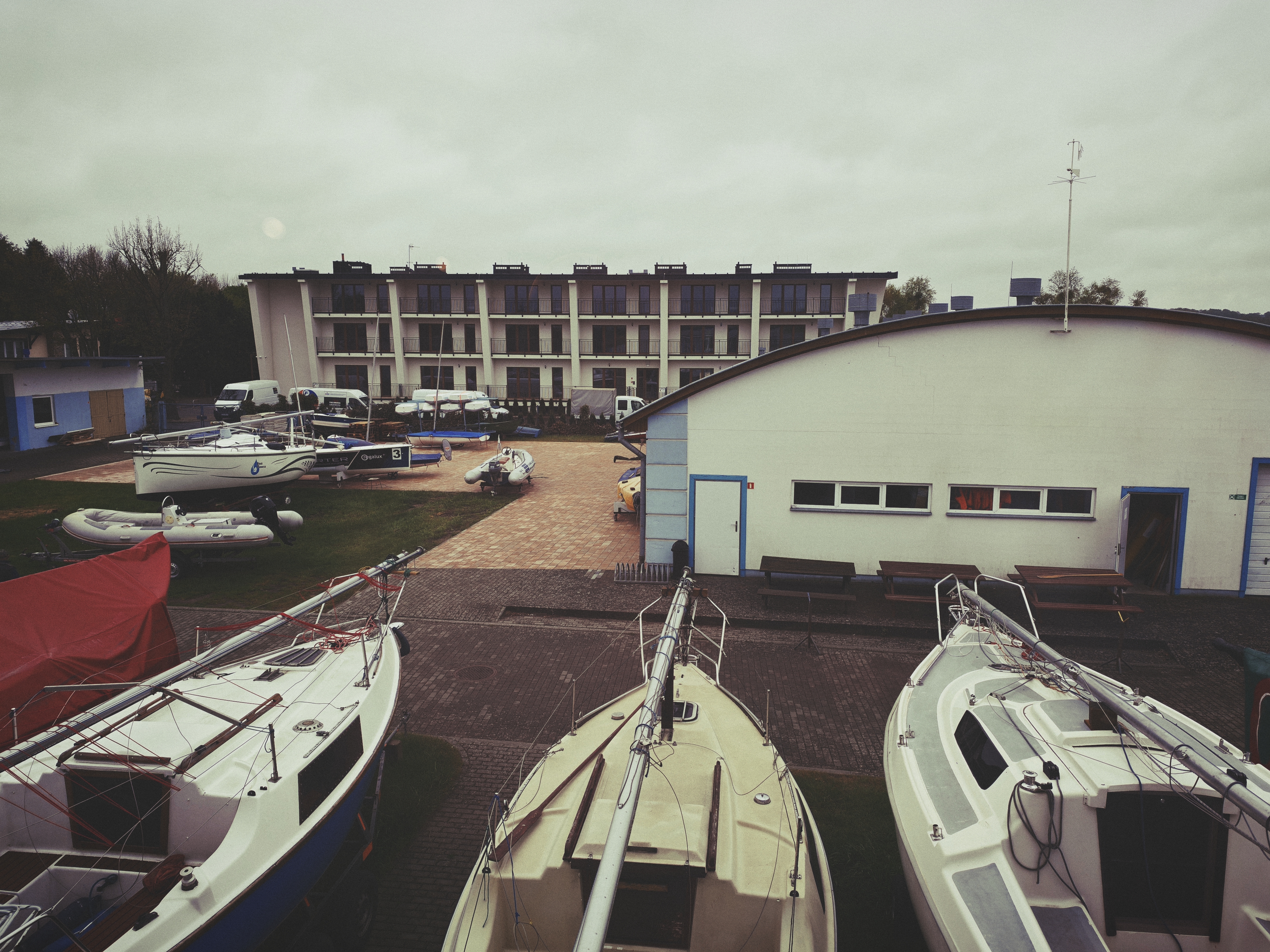
At Charzykowy Marina, we saw a harbour that is also a school and a community space. The marina hosts sailing clubs, training groups and local users. It has around 150 berths and hosts about 15 sailing events each year. Charzykowy is also one of the symbolic birthplaces of Polish sailing. Regional tourism materials describe it as a well-known centre of sailing and water sports where the first Polish sailing club was founded -today’s Chojnicki Klub Żeglarski (ChKŻ), operating from this place since 1922. ChKŻ shows that sailing culture is not only about sport or recreation. It is also about continuity of tradition, local identity and responsibility passed between generations. A marina is therefore a place where future sailors learn about rules and limits, as well as how to read wind and treat water. It is a place where the behavioural change can be born.
That history matters for ECOMARINAS, because it means that environmental standards are being discussed in a place where generations of sailors have learned how to be on the water. Seen from the perspective of the wider Kashubian-Pomeranian lake region, this tradition was built not around prestige alone, but around practice: clubs, regattas, youth training, camps, scouting and everyday familiarity with inland waters. From places like Charzykowy, local water culture fed directly into national sailing culture.
Responsible tourism is part of water protection
At Notera Hotel, we looked at sustainable tourism as part of water protection. The location in Bory Tucholskie has a direct influence on how the hotel understands environmental responsibility. The hotel implemented numerous ecological solutions that help reduce energy and water consumption, as well as to minimize waste production. These include ground source heat pumps, rainwater recovery (the garden is watered with rainwater), photovoltaic panels, heat recovery from swimming pool water, BMS system for monitoring energy consumption and managing device performance, power interrupters and a system that turns off the air conditioning when the balcony door is opened, and UV lamps supporting pool water treatment.
The hotel’s less-waste policy, cooperation with local suppliers, support for regional tourism services and eco-educational events (including lake shore clean-ups, tree planting and nature games for children) show that tourism can either increase pressure on a place or help build care for it.
Sustainable marinas need science
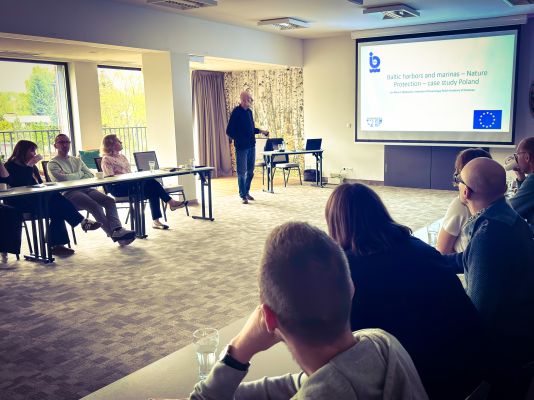
The study visit was enriched with a lecture by Professor Jan Marcin Węsławski from the Institute of Oceanology of the Polish Academy of Sciences. The lecture helped us place practical marina solutions within a wider ecological context: the Baltic Sea is shaped by natural physical processes, such as waves, erosion, temperature and salinity, as well as by biological processes, including species distribution and exchange. At the same time, its condition is strongly influenced by human activity: pollution, infrastructure, disturbance of habitats and attempts to engineer complex ecosystems.
For the ECOMARINAS project, this perspective is essential. The project does not treat marinas as isolated technical facilities, but as points of contact between people, infrastructure, water and living ecosystems. Scientific knowledge is therefore needed at every stage: when planning investments, choosing technologies, managing everyday operations and assessing whether a solution really reduces pressure on water bodies and the Baltic Sea.
One of the key messages of the lecture was that the first priority should be the reduction of contamination and disturbance from man-made sources. In the context of ECOMARINAS, this directly relates to the project’s focus on improving water management standards in marinas, collecting hazardous substances from boats, reducing wastewater pollution and limiting the environmental impact of marinas. A marina cannot solve all Baltic Sea pressures, but it can prevent specific pollutants from entering the water and can make responsible behaviour easier for boat users.
Another important point concerned the difference between land and sea. On land, habitat fragmentation is often one of the central ecological problems. In the sea, Professor Węsławski stressed, the problem is often different: homogenisation. Marine ecosystems may lose their diversity not because they are divided into separate fragments, but because complex, locally specific habitats become simplified and increasingly similar. This is relevant for ECOMARINAS because marina development should not only ask whether infrastructure is “clean”, but also whether it respects local habitats, seabed structure, shoreline complexity and the ecological character of a place. Sustainable design should avoid turning diverse waterfronts into uniform technical spaces.
The third message concerned zonation: the use of spatial data and decision-support tools to identify where protection, use or investment should be prioritised. In marine conservation, tools such as Zonation help compare ecological values, habitat quality, connectivity, threats and costs across space. For ECOMARINAS, this does not mean that every marina becomes a protected area. It means that planning should be place-based and evidence-based. Some areas may be suitable for infrastructure, some for education and low-impact recreation, and others should remain less disturbed because of their ecological sensitivity.
The lecture confirmed one of the central lessons of the whole study visit: sustainable marinas need science not as an addition, but as a foundation. Technical improvements, educational activities and stakeholder cooperation become stronger when they are guided by an understanding of how aquatic ecosystems work and how easily they can be disturbed.
EUCC-D workshop: stakeholder maps as living tools
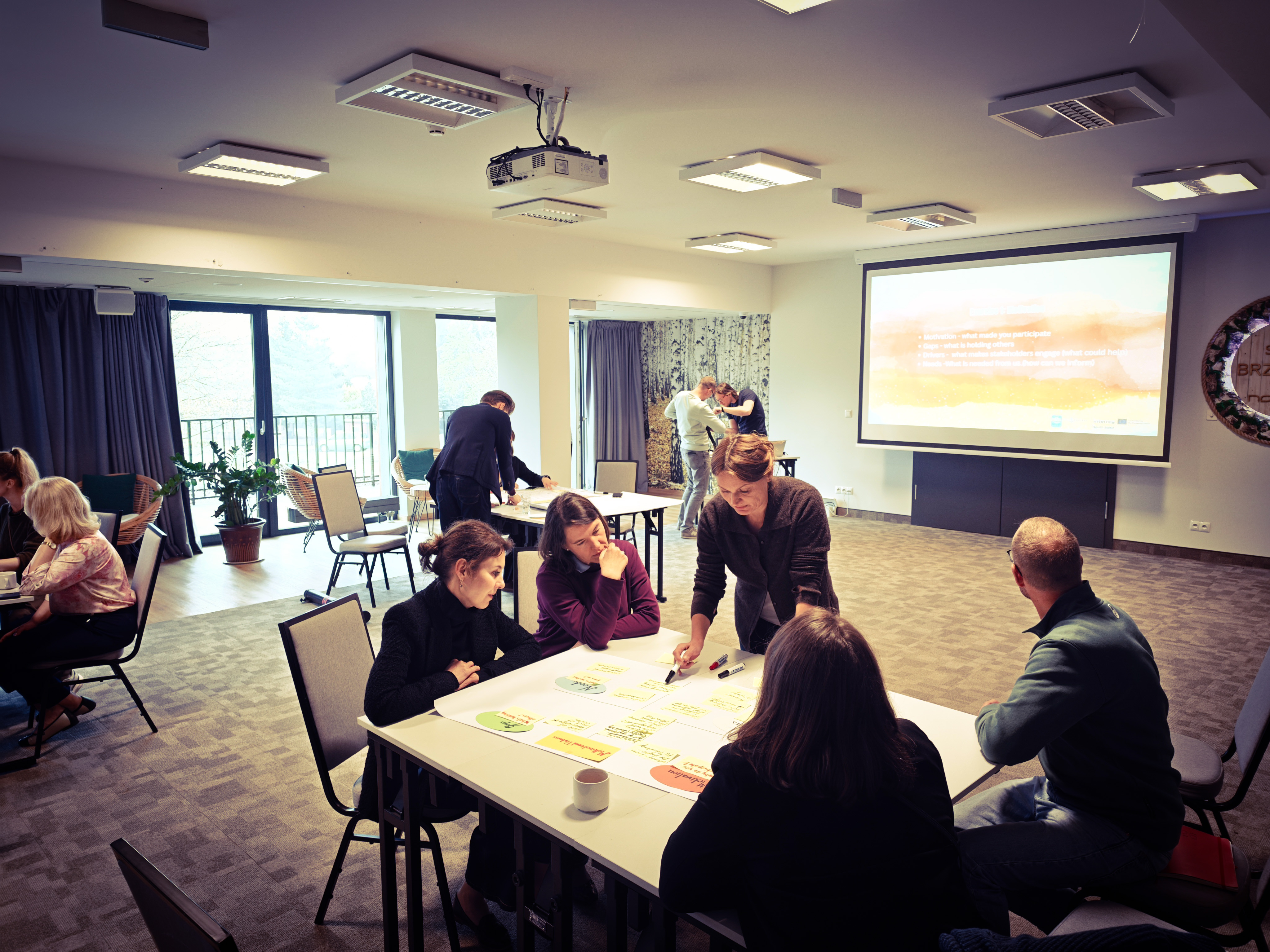
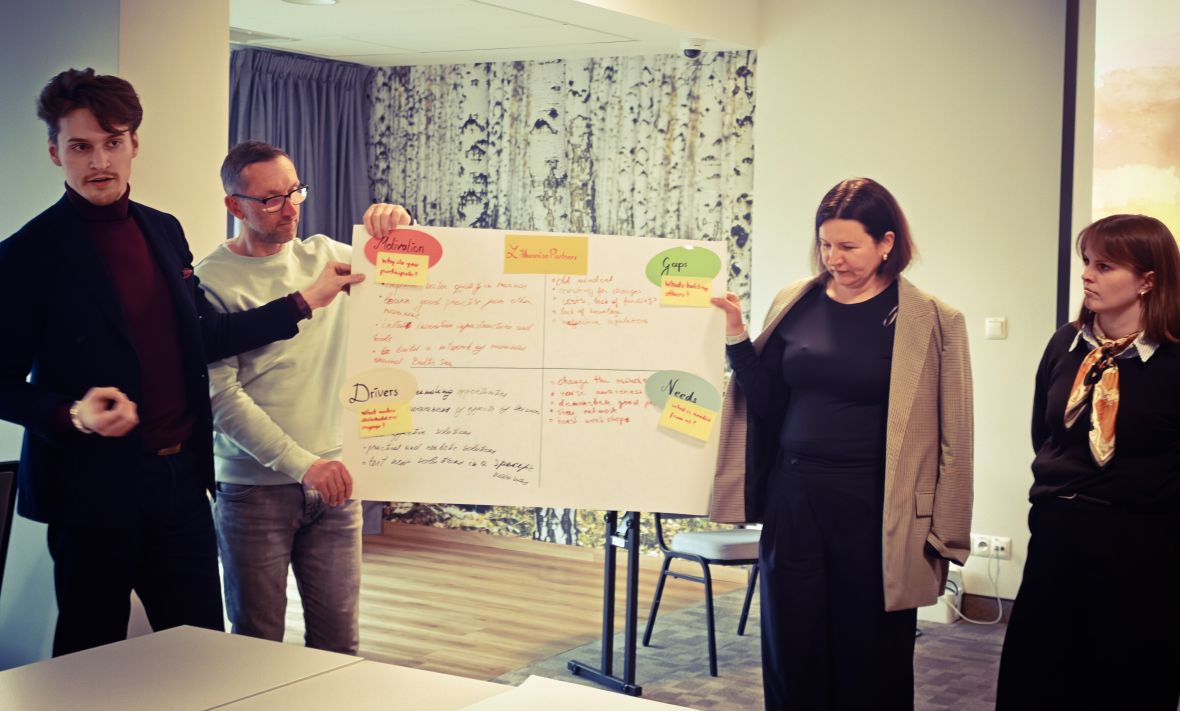
The study visit also included the third EUCC-D stakeholder engagement mapping workshop. Partners returned to the Power/Interest Matrix developed during earlier sessions: the first mapping exercise in Västervik, which gave a general stakeholder overview, and the second exercise in Stralsund, focused on pilot investment-specific stakeholders.
Before the session, partners reviewed both maps on Miro and asked two questions: Have any stakeholders shifted in terms of power or interest? Have any new stakeholders emerged? The workshop was a reminder that stakeholder mapping is not a static document. It is a living tool that changes with the project, with local investments and with the people who become more involved over time. This third step helped partners move from just listing stakeholders to actively planning engagement.
Biała Góra and the Żuławy Loop
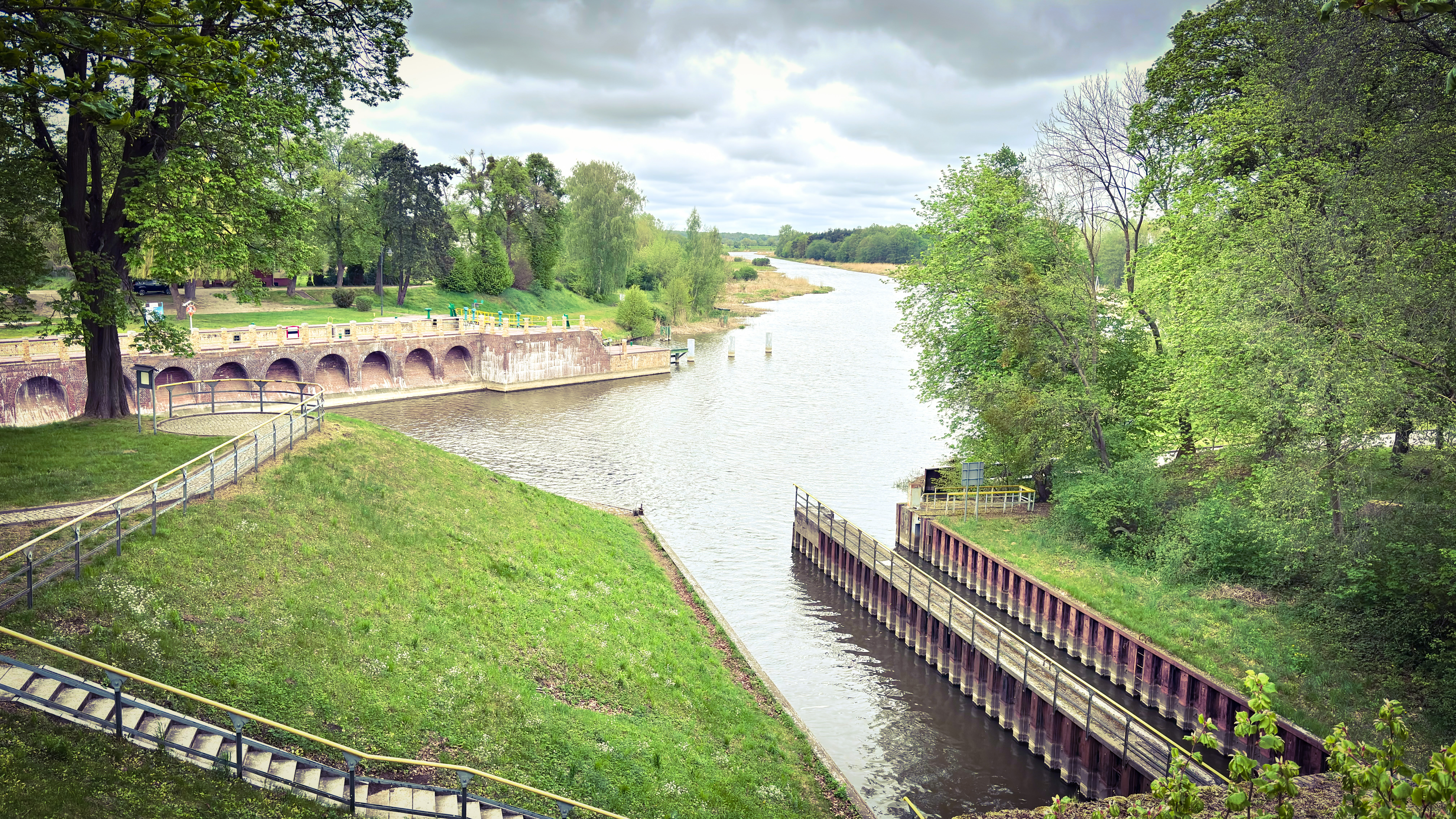
On the second day, we visited Marina Biała Góra and the lock facility. The marina is smaller than many coastal harbours, but its location, at the point where the Vistula and Nogat rivers meet, gives it a strategic role. The Biała Góra Lock tells a long story of managing water and is an impressive hydrotechnical structure. It comprises not only the lock itself but also a bridge – an excellent panoramic viewpoint of the Vistula Valley, a weir, and a large sluice with an additional weir and lock connecting the Liwa River with the Nogat River.
The Biała Góra Lock is the first and largest lock in the Nogat River cascade. Its main function is to protect the areas along its banks from flooding. The red brick lock was built between 1912 and 1915. It is an unusual and unique structure in Poland, and its oldest sections date back to 1852. It has five pairs of gates – double gates in both directions and flood gates, which are closed when the Vistula River is at high water levels, rendering the lock inoperable.
The site is part of the Hydrotechnical Monuments Trail and reminds us that water protection also depends on maintenance, adaptation and responsible operation of existing infrastructure. The ecological setting around Biała Góra is just as striking. Right beside the lock complex lies the Biała Góra floristic reserve, established in 1968 and protecting xerothermic, heat-loving plant communities on the steep right bank of the Vistula.
Biała Góra also allowed us to look at marinas as parts of routes. The Żuławy Loop (Pętla Żuławska) is not just a tourist attraction. It is a network of waterways, locks, small harbours and delta landscapes that links local history with contemporary water tourism. Its modernization brought new life to places such as Biała Góra, where marina infrastructure was developed as part of a wider water route.
The Pomeranian Sailing Route adds another scale: a regional network of marinas and sailing destinations that connects coastal and inland waters. Together, these routes show that sustainable marina development cannot be planned only site by site. It should be planned as a system, where every harbour influences how people move, stop, dispose of waste, use water and relate to the landscape.
The Baltic begins wherever water flows
This study visit took us inland, but it was still a Baltic Sea visit. It reminded us that the Baltic begins far from the coast and that protecting the sea starts long before water reaches the coast.
The ECOMARINAS project is co-financed by the Interreg South Baltic Programme 2021-2027 through the European Regional Development Fund and continues through June 2027, with eight partners across four Baltic countries. The project addresses urgent challenges including wastewater treatment, invasive species management, plastic pollution reduction, and climate adaptation. Success requires integrating technical innovation, international cooperation with local action, and scientific knowledge with public engagement.
